
Director duo Jimmy Chin and Elizabeth Chai Vasarhelyi have built a world-renowned reputation on films that balance precariously between life and death. From travelogue adventure documentaries like 2015’s Meru to their 2019 Oscar-winning feature Free Solo, the filmmakers chase thrill-seekers up the world’s most perilous cliffs. However, in Everest: The Other Side, the duo navigates a much heavier psychological terrain: profound grief and the devastating human cost of extreme ambition.
A Fatal Turning Point in a NatGeo Documentary
Critics covering Everest: The Other Side were explicitly asked to avoid revealing twists a request typically reserved for Hollywood blockbusters rather than a serious National Geographic project. Yet the primary turning point of the film is less of a narrative twist and more of a tragic, unavoidable reality.
-
The Incident: One of the film’s central daredevils meets a fatal end in a sudden, harrowing moment captured directly on camera.
-
The Pivot: The story shifts abruptly from a high-stakes adventure into a sombre examination of how the surviving team attempts to process trauma and press forward.
-
The Ethical Dilemma: This shift forces the audience to question how much they can stay invested in a dangerous mission once the thrill of cheating death turns fatal. No breathtaking pink-sky views over the Himalayas can fully erase the lingering unease.
The Lhotse Milestone and the Everest North Face
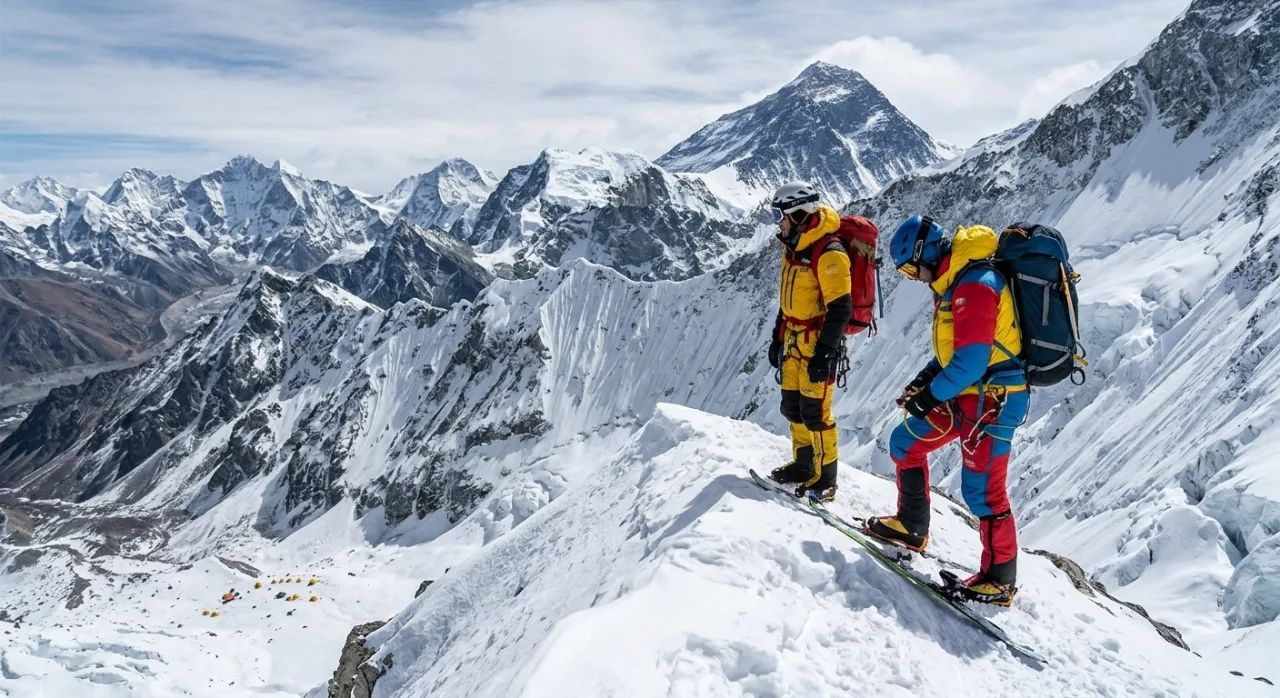
The documentary follows elite ski mountaineers Jim Morrison and Hilaree Nelson.
| Key Feature | Details |
| 2018 Milestone | Morrison and Nelson became the first people in history to scale Lhotse (the 4th-highest peak) and ski down. |
| The Next Objective | The treacherous North Face of Mount Everest a route summited by very few and never successfully skied. |
| Personal Context | Nelson and Morrison were raising her two adolescent sons together while preparing for this grueling expedition. |
In early, intimate moments, we observe Nelson preparing breakfast for her boys before packing her gear. She remains candid throughout, dismissing the risks with jarring bluntness. When asked about the danger, she remarks, “I’m going to follow this path to the bitter end,” adding that if her sons are left without a mother, “I can’t control that.”
Grief, Ambition, and Unanswered Questions
Those words haunt the rest of the film after Nelson is killed by an unexpected avalanche during a training expedition. Her passing leaves the filmmakers struggling to explain why extreme athletes continue to court death in such punishing environments.
Emotional Substance vs. Premeditated Platitudes
[Tragic Loss] ───► [Attempted Regrouping] ───► [Grief & Unanswered Questions]
-
Jim Morrison: Delivers a raw, vulnerable interview recalling a lifetime of accumulated tragedy, making his grief-propelled drive understandable to the audience.
-
The Rest of the Team: Including Jimmy Chin who leaves his own two children at home to join Morrison offer little emotional depth, often resorting to platitudes that feel staged for the camera lens.
The Commercial Engine Behind High-Risk Expeditions
The documentary largely overlooks the financial machinery funding these operations.
-
Economic Necessity for Sherpas: One local Sherpa plainly states that he does not climb for spiritual awakening. He climbs because it is his job a stark financial necessity to support his family.
-
Corporate Sponsorship: Nelson served as a prominent ambassador for The North Face, an outerwear brand conspicuously featured throughout the film. The corporation funds these dangerous expeditions, making the documentary an extension of a lucrative industry.
Ultimately, achieving the summit of Everest offers little sense of cinematic triumph. Instead, viewers are left acutely aware of their own passive role in the dangerous ecosystem that drives mountaineers up the mountain or leaves them buried beneath its snow and ice.

Comments
No approved comments yet.
Comments are reviewed by an administrator before they appear.